
Washington Hedge Trimming Services (NE37) Area: Lots of people in Washington have hedges in their garden, and whilst it is wonderful to have a certain amount of greenery to look at rather than simply dull old fences or walls, hedges do need maintaining regularly to keep them in tip top shape. Hedges are also crucial as wildlife habitats, therefore when you are thinking about the preferred alternatives for the boundary of your property, you might keep this in mind. A well maintained hedge is a beautiful thing which will give reliable service for years to come, but what if you are unwilling or unable to do this yourself? Well, it shouldn't be too difficult to find Washington hedge cutting professionals who'll be happy to complete this on your behalf.

When you're selecting a hedge cutting specialist in Washington, expertise in the field is crucial. If you want to protect your hedge investment, avoid overzealous pruning or ill-timed trimming. An accomplished hedge cutting expert will be able to offer valuable guidance on the optimal timing and techniques for trimming your precious hedge. To ensure your hedge flourishes and maintains its beauty, they'll consider its unique needs, such as size, species & growth rate. Entrusting your hedge to an experienced specialist safeguards your investment and ensures it flourishes as a beautiful natural boundary.
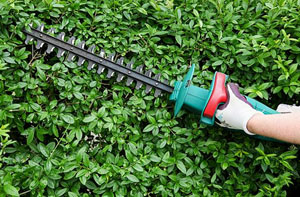
The time of the year during which hedge trimming takes place in Washington tends to have a significant impact on the end result. It is also worth noting that different species of hedges need varying treatments. Fast-growing hedges need to be trimmed as frequently as two or three times during the season, whereas others may need just a single trim. Additional care should also be taken while working on the hedge during the bird nesting season, as this is the time when fully grown hedges become nesting sites for various kinds of birds.
Using the services of a skilled professional is going to be even more important if you want your hedges to be trimmed into ornate designs and patterns such as lollipops, cones, curves, spirals, pyramids and arches. If you already have a traditional gardener conducting other jobs on your garden, like mowing the lawn & pulling up weeds, they'll normally be happy to cut your hedges as well.
Properly trimming a hedge can promote fresh growth while improving its root system, which helps the hedge to stay strong and healthy & withstand attacks from pests & diseases. A healthy, strong hedge looks more attractive and does the job it's designed to do in your garden ie give you increased privacy, form an effective boundary between yours and your neighbours garden, and provide much needed shelter from strong winds.
When hedges are not properly maintained they quickly become patchy & top heavy, with ugly gaps & a general lack of growth at the base of the hedge in particular. When the upper growth gets increasingly more dense, it can also restrict enough sunlight from getting to the lower parts of the hedge, making the sparse growth around the base even more noticeable. Your hedge will be tidier & more compact and should send out new shoots to fill up those gaping holes if it is trimmed frequently.
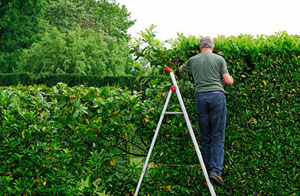
When a hedge is allowed to grow without being regularly maintained, it can over the years spread outwards & use up a bigger chunk of your precious garden space, while developing leafless growth within the hedge that can look really bad when it's eventually cut back. Getting a badly overgrown hedge back to a more manageable size may also require it to be reduced in stages, rather than taking off a substantial amount of growth in one go. When a hedge has been badly neglected, it may never completely recover its original state, with many years of regular care potentially needed before it is in good condition again.
If hedges are tall & poorly tended, they can create several problems, particularly if it is been a long time since they've been pruned. Accessing the top layer of the hedge may require ladders or other high reach equipment, in addition to specialised hedge trimming tools for thick branches that may not work with traditional trimmers. Hiring a qualified hedge cutting specialist in Washington will give you access to the right equipment and experience to finish the job safely.
You may be curious about the costs involved with hedge trimming in Washington, and the truth of the matter is that hedge cutting prices in Washington hinge on a number of things including the size of the garden, how many hedges need cutting, the height of the hedges, the current condition of the hedges, and whether you need the hedge waste to be taken away. Straightforward access to the hedge can also help keep the cost down, whilst hard-to-reach areas, uneven ground or restricted working space may make the job more arduous, and therefore more expensive.
A specialist hedge cutting service in Washington can be a cost-effective solution in the long term, which is certainly taking into consideration. Correct maintenance of your hedge can reduce the risk of pests or diseases, which ultimately saves you dosh on costly treatments or replacements. Having a hedge professionally trimmed on a ongoing basis can prevent it from becoming seriously overgrown, potentially saving you the cost of more extensive cutting and remedial attention later on.
When your hedges are well maintained & neatly trimmed, they can make your entire property appear smarter and more well kept, enhancing the general appearance of your property as a whole while potentially increasing its value in the future should you decide to sell. Properties that have properly maintained outside spaces will generally be more inviting to homebuyers hoping to purchase in the Washington area, with neat hedges and nicely trimmed shrubs making them look more attractive. First impressions can count for a lot, and smart-looking greenery and vegetation around a property can help start things off on the right foot before they have even stepped through the door.
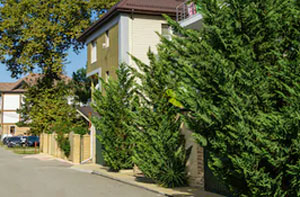
Hedges can also play an important part in supporting local wildlife, providing food, shelter & a safe place to live for many varied forms of wildlife. While different kinds of birds can build their nests among the branches, small mammals and insects may find cover around the base of the hedge, with berries, fruits & other plant growth offering useful sources of food. When established hedges are kept healthy and well maintained, they can continue to provide important habitats, encouraging a greater variety of wildlife into your garden.
All in all, proper maintenance is crucial to protect the appearance & health of hedges on your Washington property. By employing a professional service to handle your hedge cutting, you can save yourself a great deal of time & hard work, while making sure the job is done safely & correctly and potentially adding to both the appearance and value of your property along the way. Staying on top of hedge care can also prevent unwanted growth from taking over paths, borders and other garden areas, which can help you make fuller use of the available space.

Hedge clipping can be provided in in Washington & also in nearby places like: Harraton, Philadelphia, Barmston, Lambton, Armstrong, New Herrington, Lambton Park, Birtley, Shiney Row, Fatfield, Picktree, Crowther, Bournmoor, Hertburn, Biddick, Penshaw, and in these postcodes NE37 1BZ, NE37, NE37 1GE, NE37 1BQ, NE37 1LA, NE37 1AF, NE37 1AW, NE37 1QE, NE37 1LH. Local Washington hedge specialists will most likely have the postcode NE37 & the telephone code 0191. Verifying this can make sure that you are accessing local providers of hedge trimming. Washington property owners can utilise these and countless other garden related services.
Can I Cut My Neighbour's Hedge?
Generally speaking, you don't need to cut back your neighbour's hedge just because it borders your property. The owner of the hedge is responsible for its upkeep, although you will usually be able to trim any branches or growth which crosses the borders onto your garden. However, you can only cut the hedge back up to the border of your property, and you must avoid actions that may damage or kill the hedge. Before doing any trimming, it can be helpful to have a friendly chat with your neighbour, especially if the hedge has become overgrown or troublesome. Disputes regarding property boundaries can quickly escalate into unpleasantness, and, therefore, coming to an agreement with your neighbour about who & when to trim the hedge can save a lot of problems in the future.
Privet Hedges
Across Washington, the lush leaves & well-defined lines of privet hedges make them a familiar feature in a large number of gardens. These unassuming shrubs, though frequently underestimated, deliver a whole host of benefits, thus becoming a preferred selection for landscapers & property owners. From privacy to functionality, here are just some of the reasons why privet hedges might be the ideal choice for your garden in Washington:
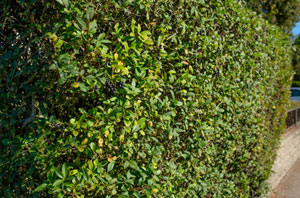
Screening and Privacy: The lush foliage of a properly maintained privet hedge serves as an effective visual obstruction, ensuring privacy from both neighbours and passers-by and can be employed to hide less appealing areas of the garden.
Noise Supression: The lush and compact foliage of a privet hedge offers a natural defence against noise pollution, proving especially useful for gardens located near to noisy areas or busy thoroughfares in Washington.
Minimal Maintenance: One of the biggest draws of privet hedges is their low maintenance needs. They tolerate a number of different soil conditions & require minimal pruning to keep their form & shape.
Fast-Growing: If you are trying to find a quick privacy solution, privet hedges are a great choice. They have a fast rate of growth, enabling you to establish a substantial barrier in a relatively short period of time.
Tolerant of Pollution: Well-suited for use in urban areas, privet hedges are surprisingly tolerant of pollution in the air.
Wildlife Habitat: Privet hedges, though not actually wildlife hotspots, can provide nesting areas for birds and a good food source via their black berries. However, it's important to note that these berries are slightly toxic to humans & should never be eaten.
Informal or Formal Styles: Privet hedges, depending on their variety & how they are pruned, can be tailored to fit formal, geometric designs or a softer, more informal aesthetic.
Budget-Friendly Alternative: Privet hedges are a cost-effective option when compared to other screening methods like fencing. They require minimal materials and ongoing maintenance, making them an economical alternative.
Planting & Caring for Your Privet Hedge
Don't be daunted by the idea of a privet hedge - planting & care are surprisingly straightforward:
Choosing the Right Location: For your planting needs, find a spot that receives either full sun or dappled shade, ensuring the soil there drains well.
Planting Time: Moisture is crucial for establishing privet hedges. Plant them in spring or autumn when the soil is neither too dry nor saturated.
Spacing: The desired final thickness of your hedge will dictate plant spacing. For a dense effect, space individual shrubs 16-24in (40-60cm) apart, keeping mature width in mind.
Watering: While mature privet hedges can handle drier conditions, regular watering is crucial in the first year to establish a strong root system.
Pruning: Shaping and maintaining the size of your hedge requires consistent pruning, ideally carried out in late spring or early summer.
Feeding: Applying a balanced fertiliser in spring isn't essential, but it can give your plants a real boost for healthy growth.
For Washington gardens, privet hedges offer a solution for multiple needs. Noise dampening, screening and privacy are all delivered with minimal upkeep, making them a practical and attractive option.
Hedge Varieties Washington
The species of shrubs & trees which are used in he formation of hedges are wide ranging, and in some cases even mixed species hedging is made using several different varieties of plant. If you were to throw hedgerows into the mix then the list of varieties grows exponentially. Hedges can be coniferous, evergreen or deciduous and each grouping has a number of species which are frequently used for hedges. For hedges in gardens the most familiar species are privet, box, leylandii, cherry laurel, yew, beech, hornbeam, and western red cedar. When you are thinking about the plant species used for hedgerows you could also include hawthorn, oak, hazel, crab apple, rowan, field maple, dog rose.
Hedging Pests and Diseases Washington
Unfortunately there are many different prevalent pests & diseases which can have an adverse effect on your hedge. Obviously different hedge species will be stricken by different issues however the most prevalent hedging diseases & pests overall in Washington include aphids, scale insects, vine weevil, winter moth caterpillars, spider mites, powdery mildew, honey fungus, phytophthora, fireblight, and box blight. These pests or diseases can lead to a number of different problems including the shedding of leaves, discolouration & even the death of individual plants when severely affected. It's reasonably easy to tackle the majority of of such issues through the use of the correct care procedures & treatments, applied at the right time.
Shrub Pruning
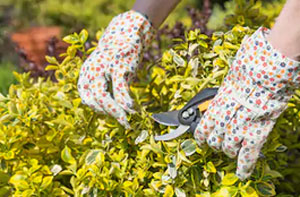
Regular pruning keeps your garden shrubs looking good, and most importantly, maintains their general health. Regrettably it can be easy to damage shrubs & plants by pruning incorrectly, so it's generally better to use an experienced gardener when pruning time rolls around in Washington.
The very first thing a seasoned gardener in Washington will tackle is to trim back any dead or damaged sections of your shrubs and bushes so as to help revive and rejuvenate the healthier sections of the plant. They'll also put right any issues with the shape & size of your shrubs, such as lopsidedness or if they are getting a bit top-heavy.
Pruning is invaluable in permitting any berries or fruit to develop to their full potential, and also for the general health of your shrubs, trees and bushes. (Tags: Shrub Pruning Washington, Pruning Shrubs Washington, Pruning Evergreen Shrubs Washington).
Box Hedging
If you're interested in a hedging species that is good for smaller boundaries, edging & borders, you'll seldom do better than box. When trimmed on a regular basis, box will develop into a neat, bushy hedge which will attain a height of 1m in a timescale of approximately 10 yrs from 15-20 centimetre plants. Box (Buxus sempervirens) hedging plants can be obtained from garden centres or online, and are suited to both large formal gardens & smaller sized contemporary gardens. Box hedges can survive & thrive for many years to come, and you will see examples in historic gardens around Britain that date from the 17th & 18th centuries.
In decent quality soil & a good situation, established box plants will grow at a rate of approximately 15 centimetres per year, however if they are planted in poor calibre soil or in shady areas they could quite easily grow much slower than this. Despite all of that, box hedges can tolerate acid or alkaline soils, clay or sand, and will readily grow in a wide range of settings. Although waterlogged or boggy soil is one sort of environment to avoid, as a box hedge will struggle to thrive in such a setting.
If you are after more immediate results, and do not have the patience to wait several years for a hedge to grow in the normal fashion, some suppliers in the UK can provide "instant box hedging". Such hedging may be offered as individual plants around twenty five to thirty centimetres high, which are pre-clipped into a uniform shape and when planted in a row form an "instant hedge", or as a row of box plants cultivated in a one metre trough, and regularly pruned in the shape of a hedge as they mature, which can be placed end to end to form any length of hedge you require. These can save you years or hard work, and can give immediate results. Throughout the years as they continue to grow, you'll obviously have to keep them tidily clipped to maintain their shape and form.
Instant Hedging Washington
Instant hedging refers to the process of creating an immediate visual barrier using pre-grown plants. It is an effective and efficient way of establishing privacy, security, and visual appeal in both commercial & residential properties. Containers facilitate the growth of instant hedging plants, making them immediately available for installation upon arrival in your garden. Several benefits are associated with them as compared to conventional hedging alternatives, such as reduced installation time, immediate results, and minimal maintenance.
By promoting the growth of native plant species, instant hedging offers an environmentally friendly solution that provides an ideal habitat for birds & insects. By using plants that are carefully selected for their adaptability, durability, and low maintenance needs, householders in Washington can make an investment in a practical & eye-catching hedging solution. To conclude, with instant hedging, property owners can achieve an attractive and well-defined boundary in both residential and commercial properties in an eco-friendly & practical way. It offers instant results, reduced installation time, and less maintenance, supporting the growth of native plant species that provide habitats for birds and insects & contributing to a healthier and greener environment.
Do You Cut Top or Side of Hedge First?
Trimming a hedge? The conventional wisdom is to start on the sides and finish with the top.
- Sides: The trimming should initiate from the bottom of the hedge, progressing upwards in order to fashion a mild incline or "batter" on each side. This method ensures sunlight access to the lower branches by keeping the hedge's base wider than the top, sustaining its thickness and health down to the bottom.
- Top: You're ready to tackle the top after you've completed the trimming of the sides. This stage is usually the most arduous, especially when tackling tall hedges. Aim to keep the cuts consistent using a sturdy step ladder, thus creating a top that's flat & level.
If you find your hedge significantly overgrown, trimming over several seasons may be appropriate, especially when more than a third of the hedge's total volume needs to be removed. This method can help prevent undue stress to your plants all at once. It's always good practice to tidy up after trimming to hinder disease proliferation and keep your garden looking tidy.
Weed Control & Mulching for Healthy Hedges
Weed control & mulching make sure that your hedges are healthy; especially at their bases where weeds compete with them for moisture & nutrients. Regular weeding gives your plants a better opportunity to establish themselves & reduces the number of unwanted growth. After you have cleared the area, you should apply a layer of mulch made up of some organic material such as bark chippings, compost, or decomposed organic matter. This will also help in retaining moisture in soil while preventing any further weed growth. Additionally, as these organic materials break down, they improve the quality of soil; however, avoid applying mulch directly onto the stems of the hedges as it might cause dampness and decay.

Washington hedge cutting contractors will likely help you with hedge shaping, hedge thinning, boundary hedge cutting and tidy up services, evergreen hedge cutting, hedge fertilisation & nutrient management, privet hedge trimming for residential properties, ivy removal, hedge reductions, tree clipping, domestic hedge cutting, box hedge pruning, beech hedge planting, hedge re-planting, commercial hedge trimming and maintenance contracts, instant hedging, quotes for hedge cutting in Washington, commercial hedge maintenance, leylandii hedge cutting and pruning, hedge trimming and seasonal hedge maintenance services, laurel hedge cutting, hawthorn hedge cutting in Washington, regular hedge maintenance, regular hedge maintenance all through the growing season and other hedge related tasks in Washington, Tyne and Wear. Listed are just a few of the duties that are undertaken by those who do hedge cutting. Washington specialists will be delighted to keep you abreast of their entire range of hedge trimming services.
Hedge Cutting Washington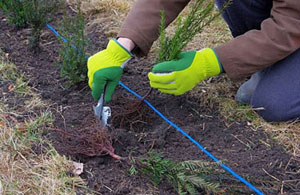 Hedge Planting Washington
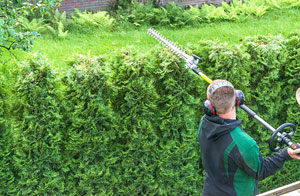 Hedge Trimming Washington
Hedge Cutting Near Me
Also find: Armstrong hedge cutting services, Philadelphia hedge cutting services, Barmston hedge cutting services, New Herrington hedge cutting services, Lambton hedge cutting services, Birtley hedge cutting services, Lambton Park hedge cutting services, Penshaw hedge cutting services, Harraton hedge cutting services, Picktree hedge cutting services, Bournmoor hedge cutting services, Shiney Row hedge cutting services, Crowther hedge cutting services, Biddick hedge cutting services, Hertburn hedge cutting services, Fatfield hedge cutting services hedge cutting and more. The lion's share of these towns & villages are serviced by companies who do hedge cutting. Washington residents can get quotes by going here.
More: Green Waste Removal, Seasonal Pruning, Garden Clearance, Hedge Management, Side Trimming, Hedge Restoration, Garden Maintenance, Hedge Tidying, Hedge Care Experts, Garden Hedge Cutting, Height Reduction, Estate Maintenance, Hedge Shaping, Hedge Cutting, Hedge Renovation, Width Reduction, Tree Trimming, Commercial Hedges, Hedge Maintenance, Hedge Shaping.
Hedge cutting in NE37 area, telephone code 0191.
TOP - Hedge Trimming Washington
Hedge Trimming Near Me, Hedge Cutting Services, Hedge Removal, Hedge Cutting Washington, Hedge Cutting Near Me, Hedge Trimming Washington, Tree Surgery, Hedge Shaping, Hedge Cutting Contractors, Hedge Maintenance, Topiary, Hedge Clipping